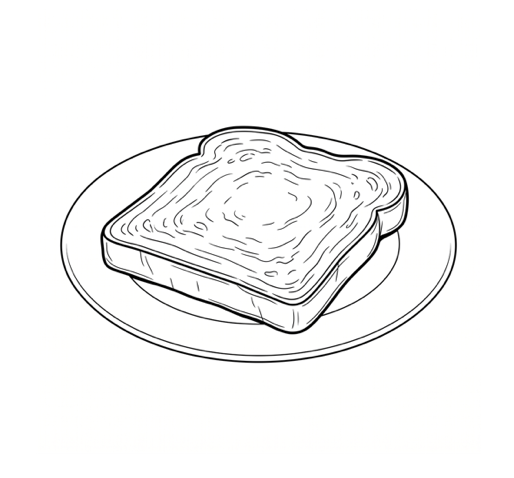
noun
Aged bread that has lost its youthful luster
You know a food process has been successful when it has enough traction to name the food itself. The word “toast” began as a verb (parch, dry up, scorch) in the late 1300s and became a noun about a generation later. It’s in good company with roasts, stews, stir-fries, and chops, but blanching and muddling have been left behind.
Usage: followed by "to," tribute. Preceded by "be," doom.
We give a neglected loaf new life by toasting it. Instead of hiding its less desirable qualities that have evolved with time, we exaggerate them, celebrating a rougher texture, enhanced flavor, and butter-melting potential. Unless it’s moldy. Then it will be toast.